Entering the New Year Gently

There’s a certain pressure that comes with the New Year—the neat lists, the bold declarations, the promise that everything will be different by January 1. I’ve tried that before. Sometimes it works. Most times, it leaves me tired before the year even properly begins, already feeling like I’m behind.

So this year, I’m choosing to enter it gently.

Instead of rigid resolutions, I’m leaving space. Space to change my mind. Space to rest without explaining myself. Space to follow curiosities—even when they don’t lead anywhere productive or impressive. I want a year that feels lived in, not one that feels like it’s constantly being audited.

Last year reminded me how much comfort I find in small, quiet routines—but it also reminded me how deeply I love leaving home and letting places change me, even briefly.

Siquijor taught me how to slow down. There was something about the quiet roads, the unhurried days, the way time didn’t seem to demand anything from me. It felt like permission to rest—to exist without constantly needing to be productive.

Dumaguete felt gentle and grounding. The pace was calm, familiar in a comforting way, like a place that invites you to breathe a little deeper and stay present. It reminded me that not everything has to be loud or grand to be meaningful.

Taiwan, on the other hand, woke something up in me. It was vibrant and alive—the food, the long walks, the sensory overload in the best way. It reminded me how much joy there is in curiosity, in letting yourself be amazed, in paying attention to the smallest details you don’t realize you’ll miss until you’re already home.

In between unpacking and returning to daily life, I held onto quiet comforts: slow mornings with a cup of coffee, audiobooks playing in the background while I folded laundry, pages filled with annotations because a story hit a little too close to home. I drifted between genres depending on my mood—romance when I needed warmth, horror when I wanted intensity, familiar authors when I needed grounding. I also learned that it’s okay to put a book down and come back to it later. Reading doesn’t always have to be disciplined to be meaningful.

I want to carry that energy into this year. To keep journaling even when the spreads aren’t perfect. To keep reading because it feels good, not because I’m chasing numbers or goals. To let some stories unfold slowly, and to trust that I’ll meet them again when I’m ready.

I still hope for consistency—but a kind one. The kind that allows missed days without guilt. The kind that understands that progress doesn’t always look neat, and that some seasons are meant for pausing, not pushing.

This year, I want to listen more closely—to myself, to the stories I choose, to the quiet nudges that say slow down or keep going. I want joy that shows up in ordinary ways: a line that makes me stop and reread, a book that leaves my margins full of thoughts, a journal page that captures exactly how a day felt.

If the New Year is a door, I’m not rushing through it. I’m stepping in calmly, carrying only what feels light enough to hold.

Here’s to a year that’s flexible, soft around the edges, and honest. Here’s to starting—not with pressure—but with intention.


What Three Years of Endo Has Taught Me

Living with endometriosis is living with a body that constantly asks for negotiation. For the past three years, chronic pain has been part of my everyday life—not as a dramatic moment, but as a steady presence that quietly shapes how I move through the world. It’s the kind of pain that doesn’t always announce itself loudly enough to be seen, yet it influences every decision: how I plan my days, how much energy I spend, how carefully I listen to my body. There is a deep loneliness in carrying pain that others can’t measure or fully understand. Continue reading

Trying to Exist Without Shrinking

Lately, I’ve been carrying around this feeling that things just aren’t going the way I want them to. I know that’s not unusual—life rarely follows a straight line, and I’ve made my peace with that, at least intellectually. I understand that setbacks happen, plans shift, and sometimes you just have to sit with discomfort until it passes.

But what’s been harder to accept is where that discomfort is coming from.

The people who are supposed to support me—the ones who should feel like solid ground—sometimes feel like the very ones pulling me down. Instead of lifting me up, I feel trapped in a space I don’t recognize or want to be in. It’s exhausting to feel like you’re constantly pushing forward while the people around you are quietly—or not so quietly—holding you back.

Most of the time, I feel alone. Even when I’m surrounded by people. Even when the room is full and the conversations are loud, there’s this persistent emptiness, this sense that I’m standing on the outside looking in. It feels like, at the end of the day, I only have myself. No real support system. No safe place to land when things get heavy. Continue reading

900 Books Later: Growing Through Stories

I’ve been reading for as long as I can remember—truly. I don’t have a single memory of my life before books. They’ve always been there, woven into every season of my childhood and every version of who I’ve become. Continue reading

“I Didn’t Ask to Be Born”: On Carrying a Weight That Was Never Mine

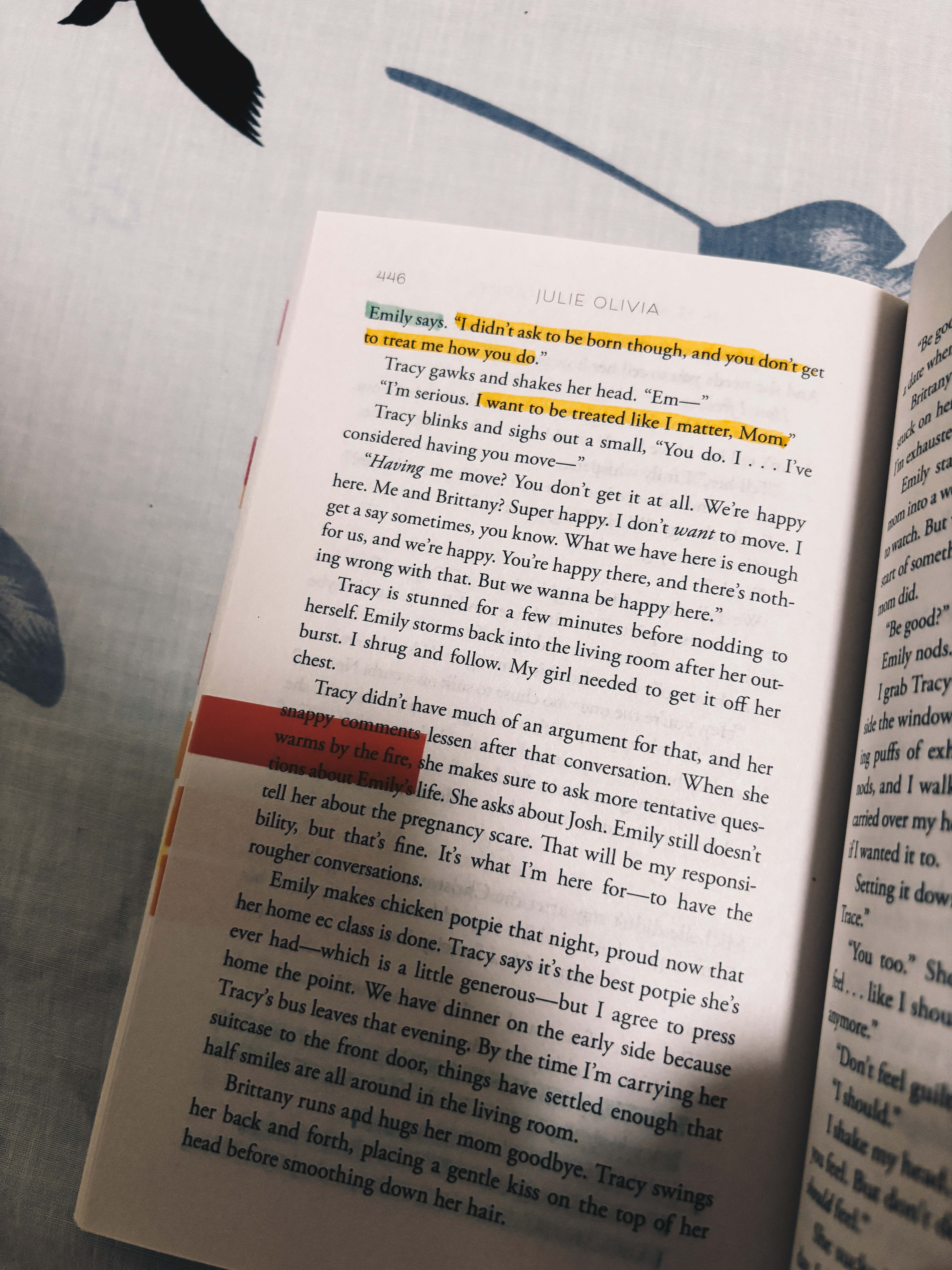
I came across this passage in a book recently—“I didn’t ask to be born though, and you don’t get to treat me how you do.” And something in me went still. Not because it was new, but because it echoed a truth I’ve carried for so long I almost forgot it had a name.

I never asked to be born.

None of us did.

Whatever decisions, impulses, accidents, prayers, or circumstances led to my existence—none of them were mine. I wasn’t consulted. I wasn’t invited into the room. I simply arrived, handed a life I didn’t choose, expectations I didn’t shape, and burdens that somehow ended up feeling like debts. Continue reading

The Things We Don’t Say Out Loud

We talk so much about dementia—how heartbreaking it is, how heavy it must feel to slowly lose pieces of yourself. And I agree. I truly do. My heart aches for anyone who has to live inside that confusion, that fog, that unpredictable shifting of reality.

But there’s another side to it that we don’t talk about as often.

A quieter story.

A softer kind of ache. Continue reading

The Water Teaches You Twice: From Competition to Connection

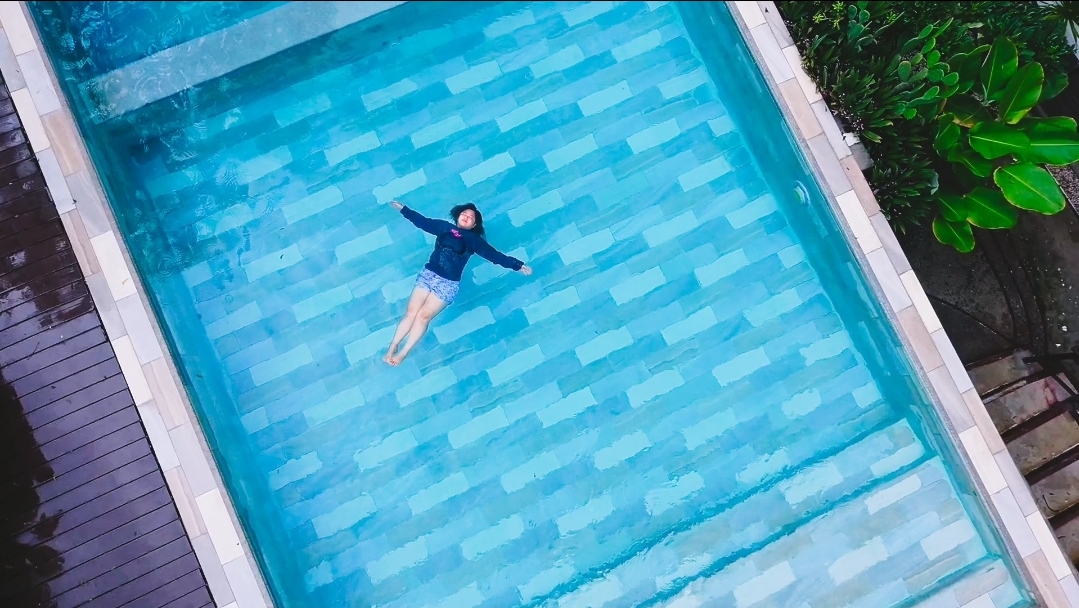
I used to be a fast swimmer—competitive, powerful, and always racing the clock. Back then, everything was about speed, about shaving off seconds, about proving how far and how fast I could go. There was a thrill in it, an almost electric rush that came with the sound of the whistle, the push off the wall, and the relentless pursuit of the finish line.

These days, my pace is different. I move slower in the water, not because I’ve lost my love for swimming, but because my relationship with it has changed. Ever since I discovered freediving and shifted my focus to breath-hold and efficiency, I’ve learned that swimming isn’t only about power—it’s also about presence.

I won’t lie: sometimes I do miss the adrenaline of competition, the structure of training programs, and the satisfaction of measurable progress. But freediving gave me something I didn’t know I was missing. It showed me the beauty of silence, of slowing down, of letting the water hold me instead of constantly pushing against it.

Swimming in a pool and swimming in the ocean are two completely different experiences. A pool is measured, predictable, neatly divided by lanes and time. The ocean, on the other hand, is vast and alive—always shifting, never the same twice. Both test you, but freediving has taught me a deeper kind of discipline: to be still, to listen closely, to surrender control, and trust the water in a way I never did before.

It’s no longer about racing against the clock—it’s about finding calm in the depths, about moving in harmony with something greater than myself. And in that stillness, I’ve found a freedom I never felt, even at my fastest.

Meteor Garden Fever

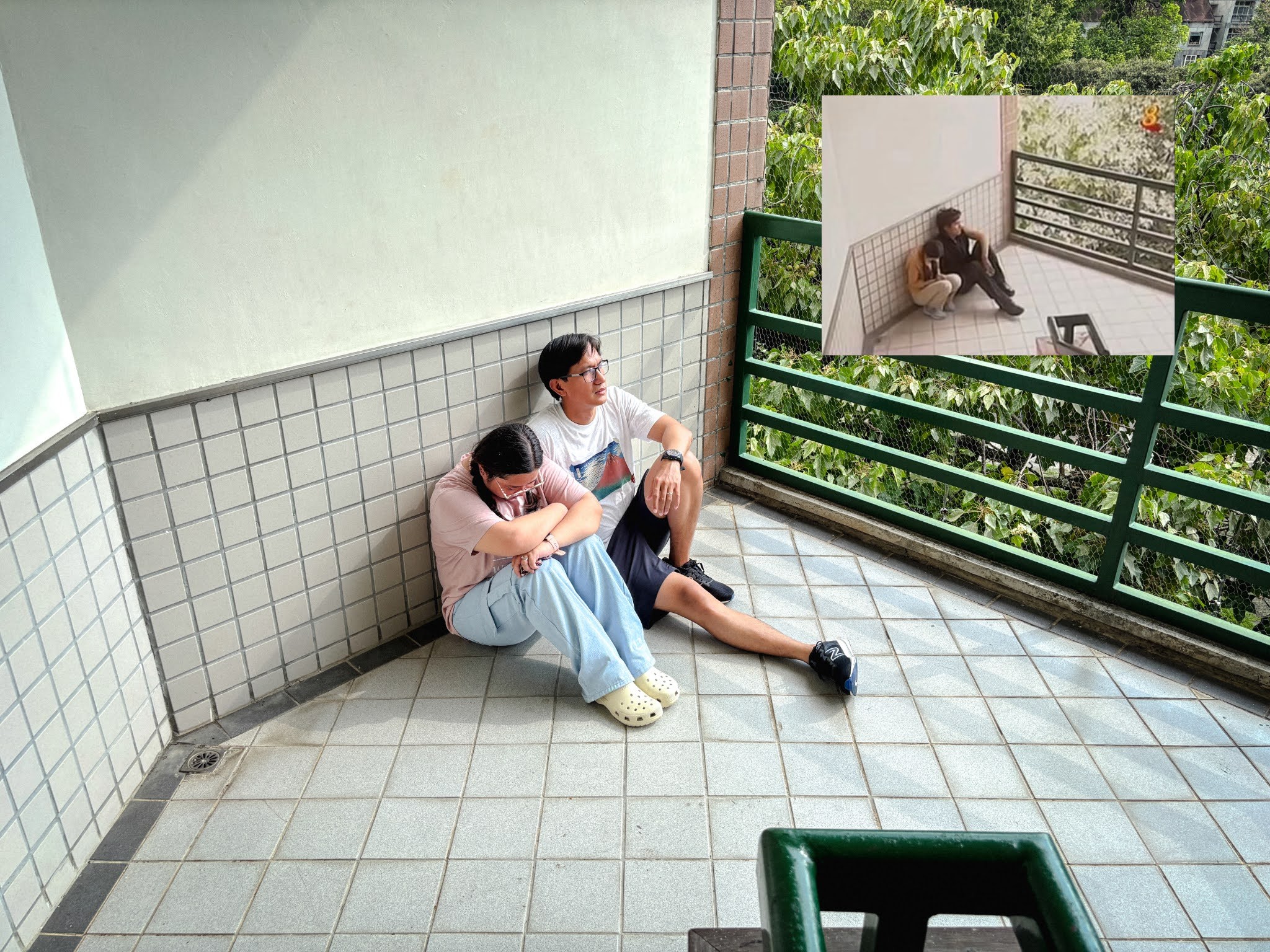
Meteor Garden (Taiwanese) had me in an intense chokehold when it aired in the Philippines back in 2003—I was absolutely obsessed. I remember begging my family to buy me all sorts of merch, from posters and keychains to photo cards and T-shirts—every member of my family can attest to this. It was such a huge part of my childhood, shaping my early teenage daydreams and giving me my first taste of Asianovela fever before I even knew what that was! So, finally getting to see National Chung Cheng University (Ying De in the series) in person—one of the most iconic filming locations—felt so surreal that I almost wanted to cry. Continue reading

Finding My Voice Again: Writing with More Heart

You might have noticed a shift in my writing style lately—and it’s very much intentional. I’ve been trying to write with more depth and genuine passion, letting my words carry more of what I truly feel and see. Looking back at some of my older posts, especially about our travels, I realized how much they lacked the heart and honesty I wanted them to have. Many of them felt rushed, a bit messy, and honestly, I rarely took the time to proofread. I used to just hit “publish” without a second thought, eager to share but not really caring how my words came across.

I’ve come to understand that writing, like any other craft, needs time, patience, and care. I don’t want my creative writing skills to become rusty or forgotten, especially when writing has always been such an important part of who I am. So I’m making it a point to slow down—to practice more, to revisit what I’ve learned from my past courses and certifications, and to simply enjoy the process again.

These days, I find myself paying more attention to the small details: the way a place made me feel, the fleeting moments that deserve to be remembered, the words that can bring a memory back to life. It’s not about writing something perfect—it’s about capturing something real, something that feels true to me.

In many ways, this change feels like coming home to myself. It’s a promise to keep nurturing this side of me, to write not just for the sake of sharing but also for the joy of creating. I hope you feel that shift when you read my posts now—more thoughtful, a bit more raw, and hopefully a lot more me.

When Grief Finds You Quietly

Grief doesn’t always arrive with grand gestures.

Sometimes, it slips in gently—through a memory, a quiet moment, or the realization that someone you’ve known all your life is no longer here.

Last week, we lost one of my lolo’s brothers. He wasn’t a constant presence in my everyday life, but he still held a meaningful place in my heart. I looked up to him in a quiet way. His presence was a steady thread in the fabric of my childhood.

I remember seeing him often when I was younger—at family gatherings, during casual visits—the kinds of moments you don’t always realize are shaping you. In the past few years, especially during his illness, I made it a point to visit when I could. Not out of obligation, but because I wanted to. I wanted to show up, even in small ways, while I still could.

His passing hit harder than I expected—not because we were especially close, but because he was part of a generation I grew up around. A generation that helped raise us, even if just by being present. And with his passing, I felt that familiar ache again—one I first felt in 2021 when we lost his brother, another one of my lolo’s siblings. That loss was heavy too, and I remember thinking back then: They’re really growing old. Time is really moving.

It’s a strange thing, watching the older generation slowly fade. It’s not just their absence that hurts—it’s what they represented. Their stories. Their warmth. Their humor. Their strength. Pieces of our family history that slowly become memory.

During the funeral, I felt my lolo’s heartache. He was trying to be strong for everyone, holding himself together the best he could—but I know he is hurting. Seeing that grief in someone I love deeply made the loss feel even heavier.

I know I’m not at the center of this grief, and I hold deep respect and love for the immediate family who are feeling this loss more acutely. But still, I grieve too—in my own quiet way. I carry memories of them both—of their laughter, their kindness, and how they were simply there, anchoring parts of my life I didn’t realize I’d miss so much.

Grief doesn’t require permission or proximity. It comes because we’ve loved, even gently, even from the sidelines. And that love deserves space.