

Lazi Church, officially known as San Isidro Labrador Parish Church, is one of Siquijor’s most well-known historical landmarks. Built in 1884 during the Spanish colonial period, it was constructed using coral stones and hardwood, which gives it that classic old-world charm. The church has a simple yet striking neoclassical facade, and stepping inside, you’ll find a beautifully preserved wooden interior that still carries the echoes of the past.

Right across the church is the Lazi Convent, which was built in 1891 and is considered one of the largest and oldest convents in the Philippines. It originally served as a residence for priests and missionaries but also functioned as a rest house for travelers back in the day. Like the church, the convent is made of coral stones and hardwood, with its wide wooden floorboards and spacious halls showcasing the craftsmanship of the era.
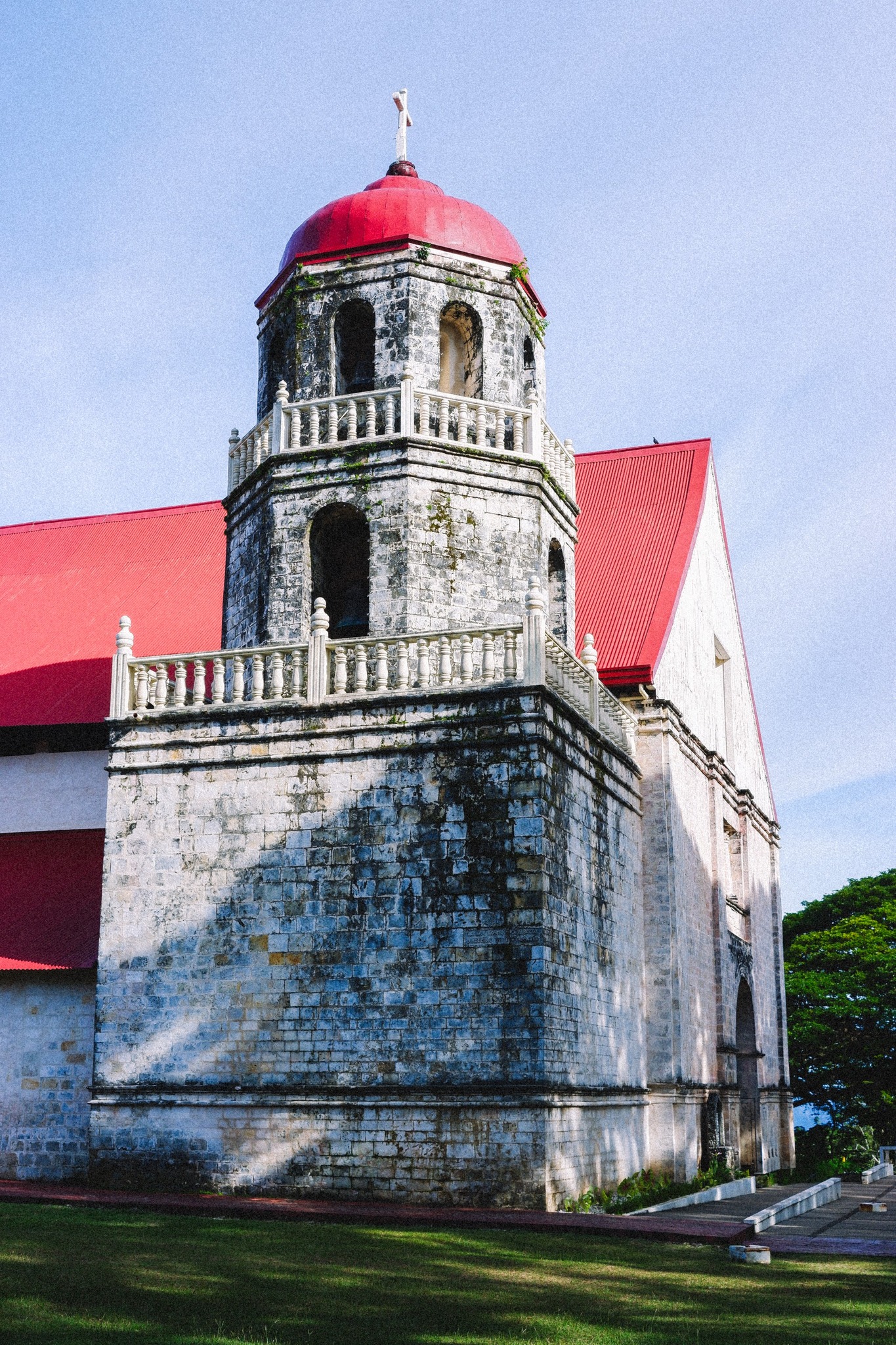
Both the church and convent have been recognized as National Cultural Treasures by the National Museum of the Philippines, and they’ve even been nominated for UNESCO World Heritage Site status under the Baroque Churches of the Philippines.
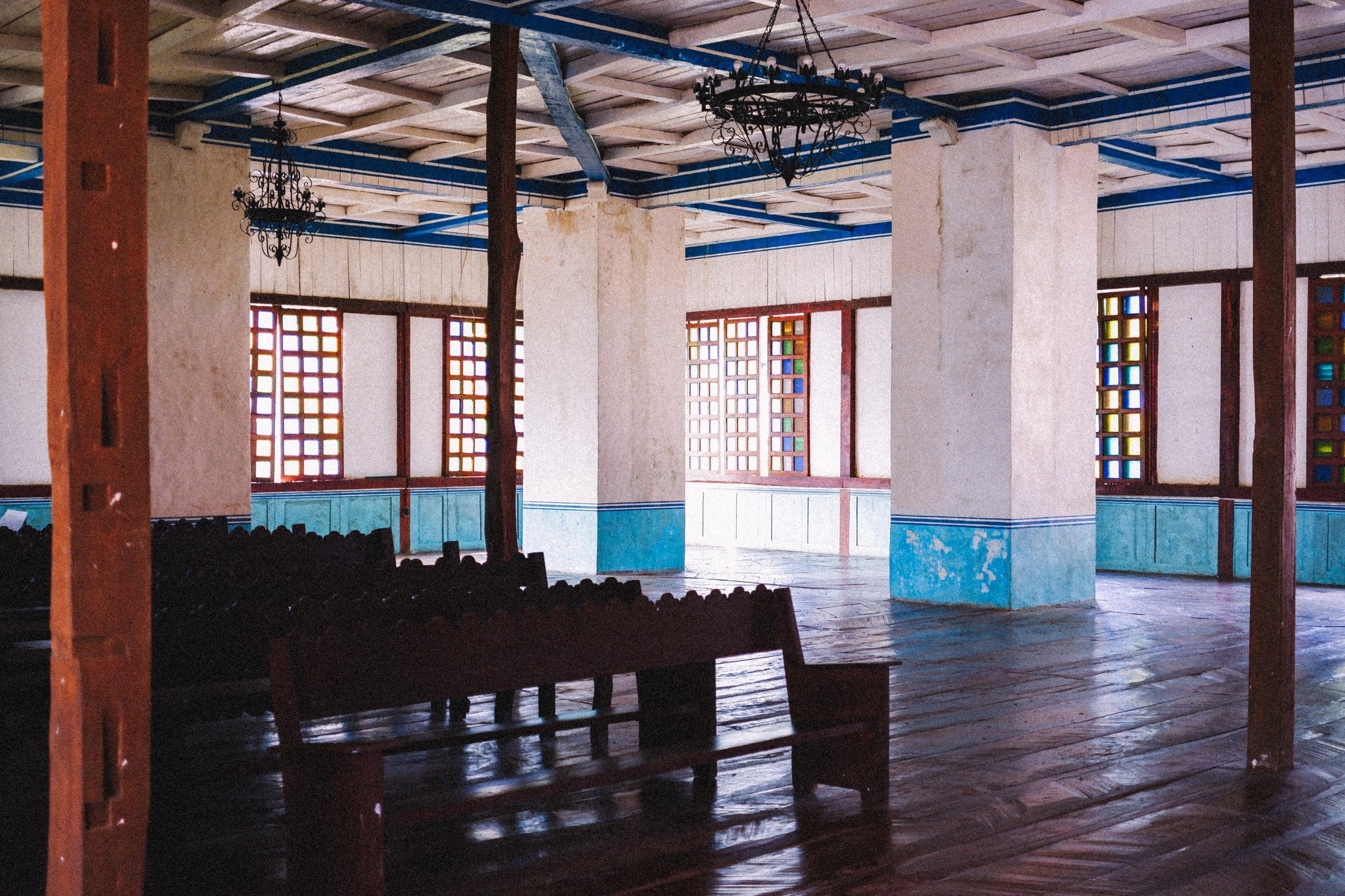
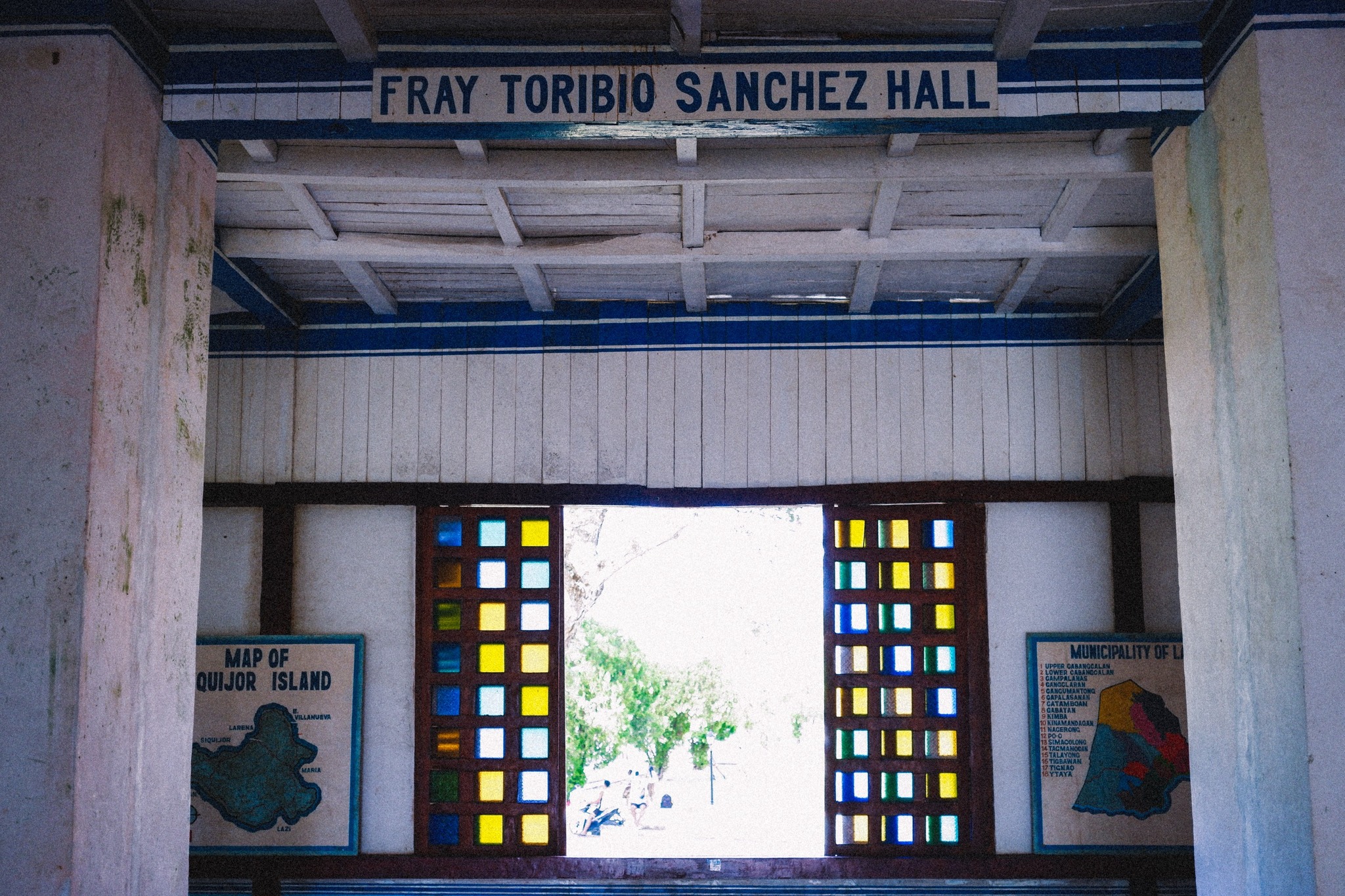
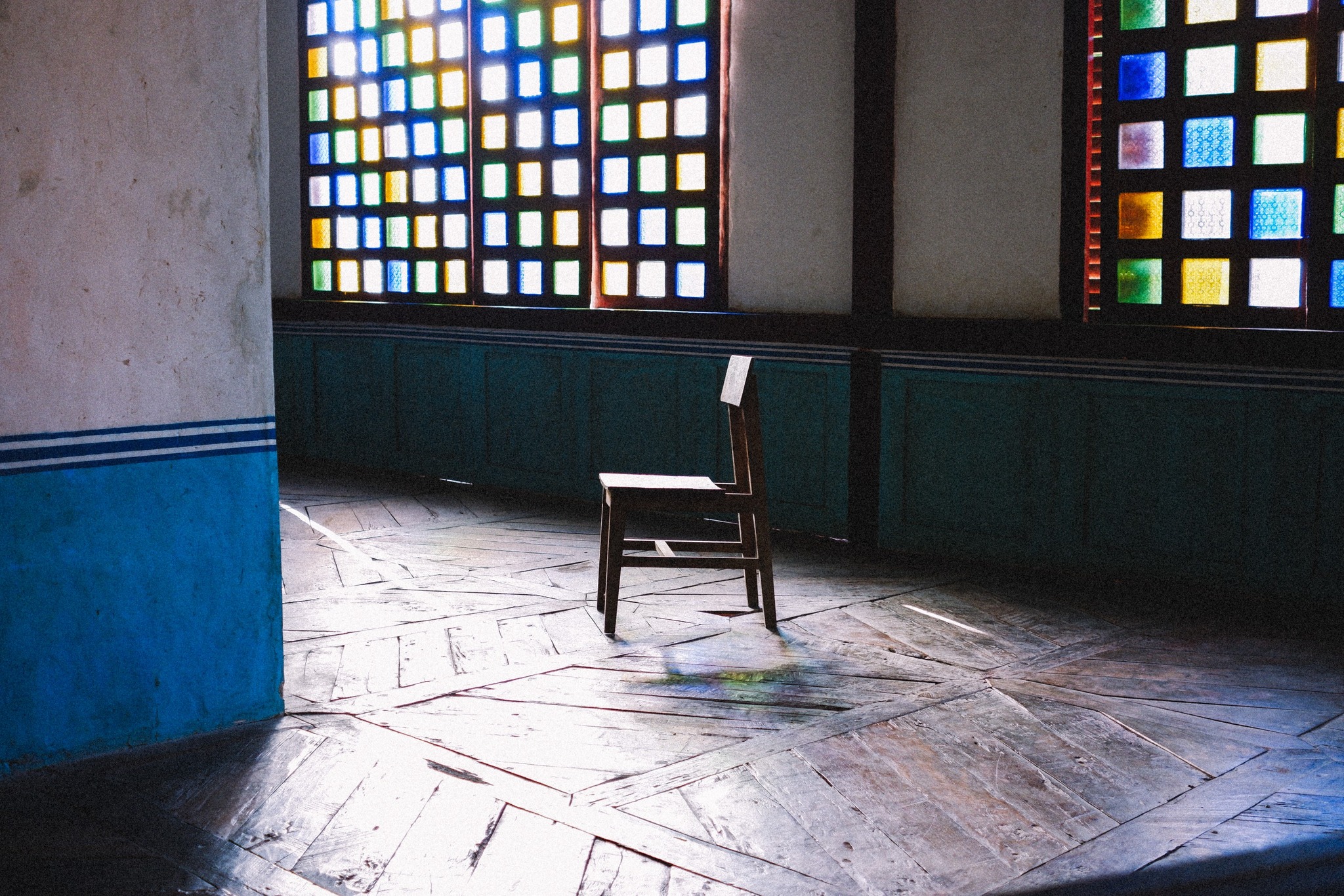
Today, Lazi Church and Convent remain an active place of worship while also being a must-visit for history buffs and travelers looking to soak in a bit of Siquijor’s colonial past. Whether you’re there for the architecture, the history, or just the peaceful atmosphere, it’s a spot that definitely deserves a visit.
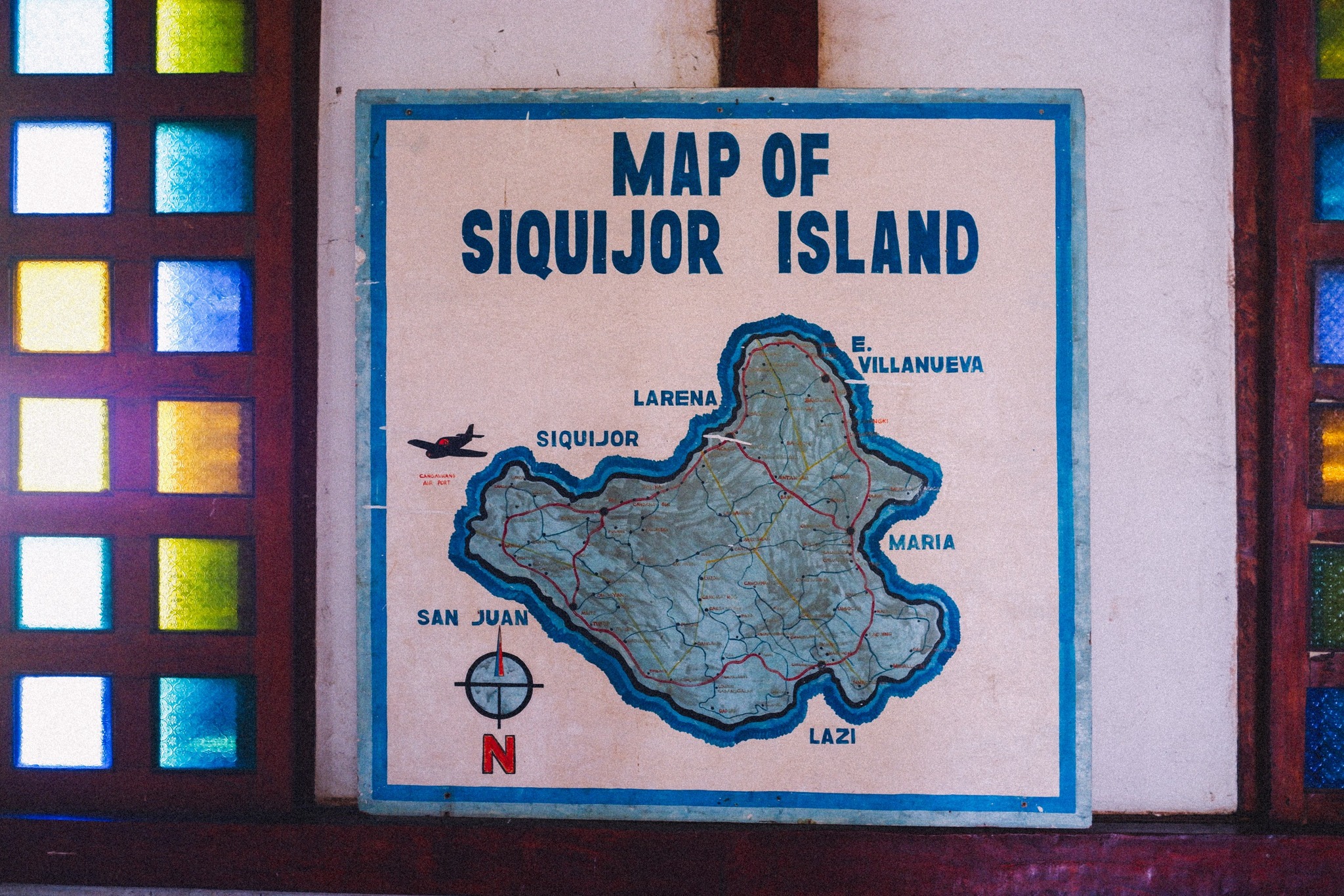
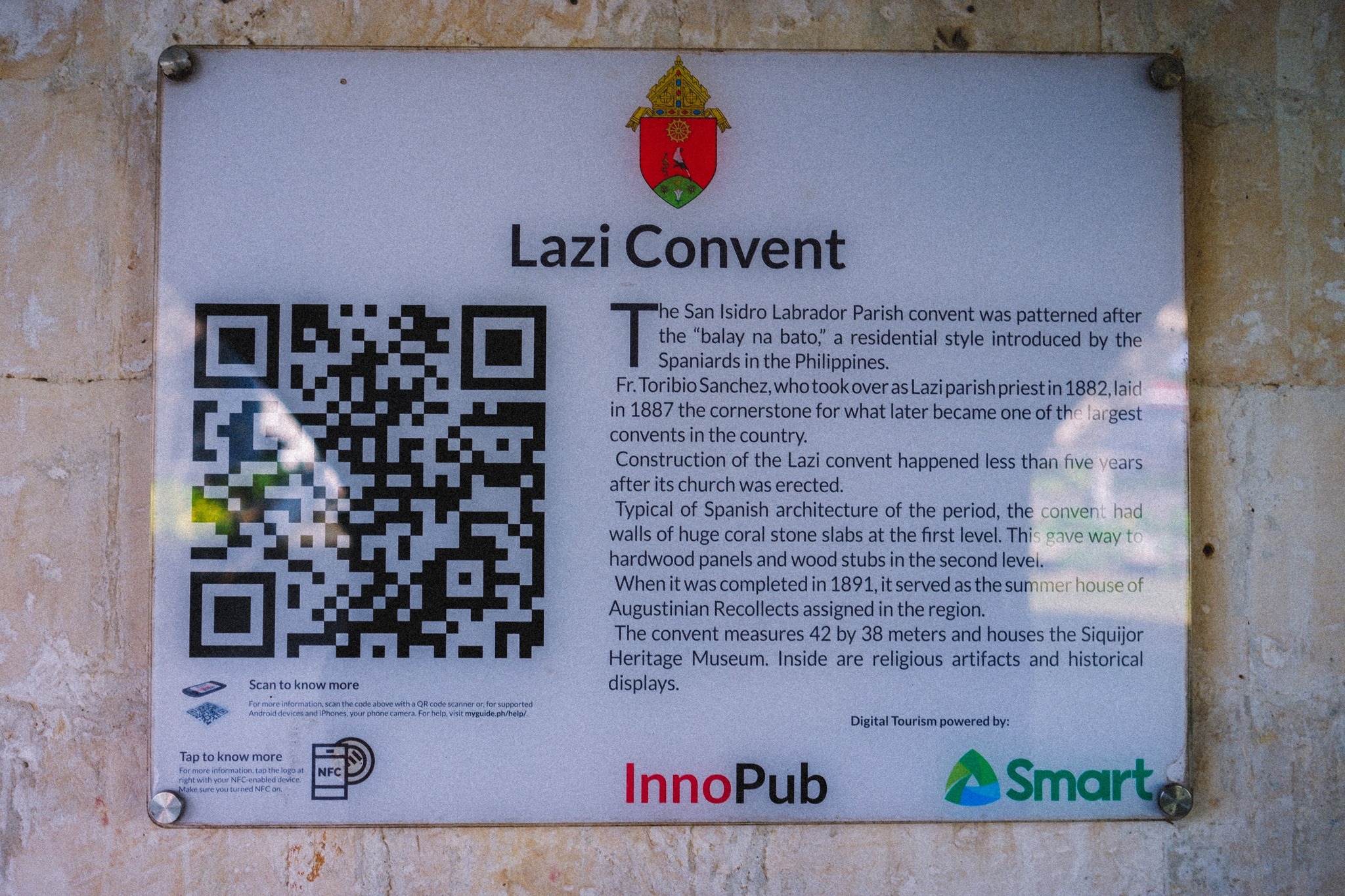
 : Fujifilm X-A3, Fujinon 27mm 2.8 V2 pancake lens
 : Lightroom Premium
 Lenn of Spades ♠